Source double wall tea infuser bottle for Office, Hiking, Camping
Compare 30 double wall tea infuser bottle options featuring high borosilicate glass and bamboo lids. Buyers can evaluate thermal insulation, customization, and certifications for business gifts or personal use.
Key considerations
Products List









Comprehensive Sourcing Guide
Strategic Sourcing Guide for Double Wall Tea Infuser Bottles
Understanding Product Architecture and Technical Specifications
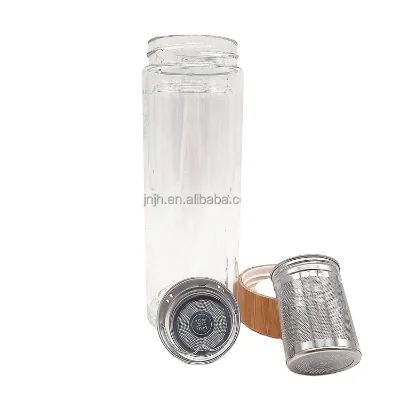
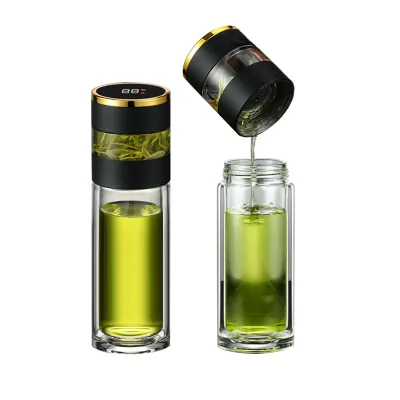
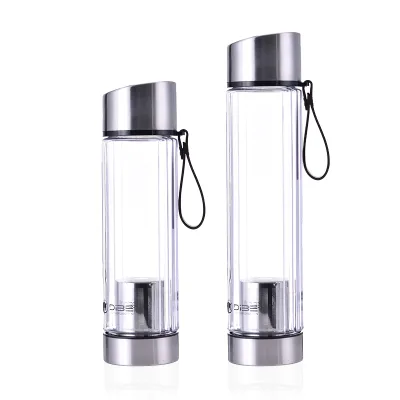
The core of this procurement category revolves around a specific vessel design: the double wall tea infuser bottle. This product is engineered to maintain thermal stability while facilitating the steeping of loose-leaf tea or the brewing of coffee directly within the container. The fundamental construction relies on high borosilicate glass as the primary material for the inner and outer chambers. This material choice is critical because it offers superior resistance to thermal shock, allowing the bottle to handle boiling water without cracking, a feature explicitly noted in the product attributes. The structural integrity is further enhanced by the double-wall configuration, which creates an air gap that provides thermal insulation performance lasting between 12 to 24 hours. This duration ensures that beverages remain hot or cold for extended periods, making the product suitable for diverse environments ranging from office settings to outdoor hiking trips.
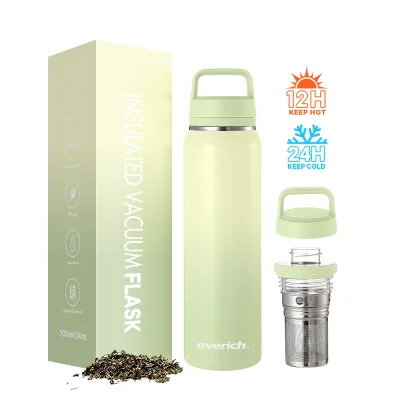
The physical dimensions of the unit are standardized for portability, with a typical capacity of 400ml or 0.4 liters. The overall shape is cylindrical, designed to fit comfortably in standard cup holders or hands, with a size specification often cited around 23cm in height and 7.3cm in diameter. The lid assembly is a critical component, typically featuring a natural bamboo top or a plastic alternative, secured via a screw-on mechanism. This sealing type ensures a tight fit to prevent leakage during transport. The inclusion of a tea infuser is central to the product's function, allowing users to steep tea leaves directly in the glass chamber. The product is designed for direct drinking, with a water flow method that supports immediate consumption. Accessories are minimal but essential, usually including the lid and the infuser basket, packaged in a color box or white box with an OPP bag for secondary protection. The single gross weight of the unit is approximately 1.000 kg, indicating a substantial build quality that contributes to its durability.
Compliance Verification and Certification Standards
In the B2B procurement of food-contact glassware, verifying compliance with international safety standards is non-negotiable. The supplied data indicates that products in this category often carry certifications such as LFGB, ROHS, and REACH. These certifications are vital for ensuring that the materials used, including the high borosilicate glass, bamboo lids, and any stainless steel components (often 18/8 grade), do not leach harmful substances into the beverage. Buyers must treat these certifications as observations of specific listings rather than universal guarantees for every supplier in the market. The LFGB certification, in particular, is a rigorous German standard that tests for the migration of substances into food and beverages, ensuring the glass and any coatings are safe for human consumption. Similarly, ROHS and REACH compliance addresses the restriction of hazardous substances in the manufacturing process, which is crucial for maintaining environmental standards and product safety.
When evaluating potential suppliers, procurement teams should request valid, up-to-date certification documents rather than relying solely on marketing claims. The presence of these certifications suggests a commitment to quality, but the buyer must verify the scope of the certification to ensure it covers the specific product model being ordered. For instance, the glass itself must be tested for thermal shock resistance and chemical stability, while the bamboo components must be treated to prevent mold or bacterial growth without using prohibited chemicals. The product attributes also mention "Anti-corrosion Coating: Not Equipped," which implies that the safety of the stainless steel or glass relies on the inherent properties of the materials rather than an added chemical layer. This distinction is important for buyers concerned about long-term durability and the potential for chemical leaching over time. Ensuring that the supplier can provide traceable test reports for these specific standards is a key step in mitigating supply chain risk.
Cost Drivers and Economic Factors in Procurement
The pricing structure for double wall tea infuser bottles is influenced by several variable factors, with the observed market range spanning from 0.71 to 12 USD. This wide disparity indicates that cost is not merely a function of the base material but is heavily dependent on customization levels, order volume, and specific feature additions. The minimum order quantity (MOQ) varies significantly, ranging from as low as 2 units to as high as 3000 units. This flexibility allows buyers to tailor their procurement strategy based on their inventory needs, whether they are testing the market with a small batch or committing to a large-scale distribution run. The "Stocked" attribute suggests that some suppliers may offer ready-to-ship inventory, which can reduce lead times but may come at a premium compared to custom-manufactured orders.
Customization is a primary driver of cost variation. The product supports "Customized Logo Acceptable" and "OEM" services, allowing buyers to brand the bottles with their corporate identity or design. The technical process for applying these logos often involves screen printing, which can add to the unit cost depending on the complexity of the design and the number of colors involved. Additionally, the choice of lid material—natural bamboo versus plastic—can impact the final price, as bamboo is a natural resource that may require more processing or sourcing effort. The packaging also plays a role; options range from simple OPP bags to premium color boxes or white boxes, each adding a layer of cost. Buyers should analyze the total landed cost, including shipping and duties, rather than focusing solely on the unit price, as the weight of the glass product (1.000 kg gross) can significantly affect freight charges. Understanding these cost drivers allows for more accurate budgeting and negotiation strategies when engaging with suppliers.
Typical Applications and Market Segmentation
The versatility of the double wall tea infuser bottle makes it suitable for a wide array of applications, catering to both B2B and B2C markets. The product attributes list "Business Gifts" as a primary occasion, highlighting its appeal as a corporate promotional item. The elegant design, featuring a natural bamboo lid and clear glass, aligns well with the aesthetic requirements of executive gifts or client appreciation. Beyond business settings, the bottle is designed for "Self-driving Travel," "Outdoor," "Hiking," "Camping," and "Sport" activities. The thermal insulation performance of 12-24 hours ensures that users can enjoy hot tea or cold water throughout the day, regardless of the external temperature. This makes the product particularly valuable for outdoor enthusiasts who require reliable hydration solutions.
The "Unisex" designation and "Adult" usage classification indicate that the product has broad market appeal, transcending gender and age barriers. The "Classic" and "Creative" style attributes suggest that the design balances traditional aesthetics with modern functionality, making it suitable for office environments as well as casual settings. The "Glass Office Cup" usage further reinforces its role as a professional accessory. In the retail sector, the product's "Eco-Friendly" feature is a significant selling point, appealing to environmentally conscious consumers who prefer reusable glass over single-use plastics. The ability to brew tea directly in the bottle eliminates the need for separate teapots or filters, adding convenience for users on the go. This multifunctionality positions the product as a premium item that can command higher margins in the gift and lifestyle sectors.
Supplier Evaluation and Quality Control Protocols
Selecting the right supplier requires a rigorous evaluation process that goes beyond surface-level product descriptions. Buyers should prioritize suppliers who demonstrate transparency in their manufacturing processes and supply chain. The "Place of Origin: Shandong, China" is a specific detail provided, indicating a manufacturing hub known for glassware production. However, buyers must verify the specific factory capabilities rather than assuming all suppliers in the region meet the same quality standards. Key evaluation criteria should include the supplier's ability to provide samples for physical inspection, their track record with international certifications, and their capacity to handle custom orders without compromising quality.
Quality control should be implemented at multiple stages of the production cycle. Given the fragility of glass, visual inspection for defects such as bubbles, cracks, or uneven walls is essential. The "Manual Fire" technology mentioned in the attributes suggests a hand-blown or hand-finished process, which can introduce variability. Therefore, a strict quality assurance protocol is necessary to ensure consistency across the batch. Buyers should also verify the sealing integrity of the screw cap and the stability of the tea infuser basket. Testing for thermal shock resistance is critical to confirm the 12-24 hour insulation claim. Additionally, the "Screen Printing" technique used for logos must be checked for durability and adhesion, ensuring that the branding does not peel or fade after repeated washing or use. Establishing clear acceptance criteria and conducting pre-shipment inspections can significantly reduce the risk of receiving substandard goods.
Long-Term Procurement and Strategic Considerations
For buyers planning long-term partnerships, the strategic alignment with the supplier's capabilities is paramount. The "Customization: Available" and "OEM: Support" attributes indicate that suppliers are willing to collaborate on product development. This flexibility is valuable for brands looking to differentiate their offerings in a competitive market. However, buyers must consider the lead times associated with custom orders, which may be longer than those for stocked items. The "Single package size" of 43x29x29 cm and the "Single gross weight" of 1.000 kg are critical data points for logistics planning. These dimensions and weights will influence packaging efficiency, shipping costs, and warehouse storage requirements.
Sustainability is another long-term consideration. The use of natural bamboo and high borosilicate glass aligns with global trends toward eco-friendly products. Buyers should assess the supplier's commitment to sustainable sourcing and manufacturing practices to ensure that the product remains compliant with evolving environmental regulations. The "Eco-Friendly" attribute is not just a marketing term but a reflection of the product's lifecycle. Additionally, the "Dishwasher Safe" feature adds to the product's longevity and user convenience, reducing the likelihood of damage from improper cleaning. By focusing on these strategic factors, buyers can build a resilient supply chain that supports their brand values and meets the evolving needs of their customers. The ability to adapt to market trends while maintaining high quality standards will be the key to success in this category.
FAQs
What certifications do double wall tea infuser bottles typically have?
These bottles typically carry LFGB, ROHS, and REACH certifications to ensure safety. These standards verify that the high borosilicate glass and bamboo components do not leach harmful substances into beverages during use.
How long does the thermal insulation performance last?
The thermal insulation performance lasts between 12 to 24 hours. This duration is achieved through the double wall structure which creates an air gap to maintain beverage temperature effectively.
Can I customize the logo on these glass bottles?
Yes, customized logo printing is acceptable for these products. Buyers can utilize screen printing techniques to apply their branding, provided they meet the minimum order quantity requirements.
What is the standard capacity for this water bottle?
The standard capacity is 400ml or 0.4 liters. This size is designed for direct drinking and fits comfortably in standard cup holders for office or outdoor use.
Which materials are used to construct the bottle?
The bottle is constructed from high borosilicate glass, natural bamboo, and 18/8 stainless steel. These materials ensure high temperature resistance and durability while remaining eco-friendly.
What is the minimum order quantity for these items?
The minimum order quantity ranges from 2 to 3000 units depending on the supplier. This flexibility allows buyers to test the market with small batches or commit to large distribution runs.